
Improve Packaging Performance from Materials to Automation
Effective packaging requires more than selecting the right material. Equipment settings, application methods, production requirements, load characteristics and maintenance practices all affect packaging cost, efficiency and performance. Group O evaluates how these elements work together to identify opportunities to reduce material usage, improve product protection, strengthen load containment, increase equipment efficiency and automate manual processes. Whether the opportunity involves stretch film, another packaging material, an equipment adjustment or a more comprehensive automation solution, our goal is the same: create a packaging process that performs reliably while controlling the total cost of your operation.
Optimize More Than Packaging Materials
The lowest-priced packaging material is not always the lowest-cost solution. True packaging optimization considers how much material is used, how consistently it is applied, whether the equipment is operating correctly and how well the finished package or pallet load performs through storage and transportation. Our packaging specialists evaluate the full operation to identify opportunities to:
- Reduce unnecessary material usage
- Improve package and pallet-load performance
- Increase packaging equipment efficiency
- Automate repetitive or labor-intensive processes
- Reduce product damage and load failures
- Minimize production interruptions and equipment downtime
- Standardize packaging materials and processes
- Identify maintenance, repair and equipment-upgrade needs
- Support packaging sustainability goals
- Establish measurable performance standards
- Maintain improvements through ongoing monitoring

A Complete Approach to Packaging Optimization
Materials, equipment and processes cannot be evaluated in isolation. Changes to one part of the operation can affect the performance of everything around it. Group O brings these interconnected areas together to develop practical recommendations based on the requirements of each operation.
We evaluate packaging materials based on application performance, total usage and cost per packaged or shipped unit rather than price alone.
Depending on the application, recommendations may include changing the material type, formulation, gauge, dimensions or application method. The objective is to reduce unnecessary material and cost without compromising product protection or packaging performance.
Materials evaluated may include:
- Stretch film
- Shrink film
- Tape and adhesives
- Corrugated packaging
- Cornerboard and edge protection
- Strapping
- Void fill and dunnage
- Slip sheets
Other secondary and tertiary packaging materials
Even the right packaging material may not perform consistently when equipment is worn, improperly configured or mismatched to the application.
We evaluate existing packaging equipment, operating settings, line requirements and manual processes to determine whether an adjustment, repair, upgrade or automated solution could improve performance.
Recommendations may include:
- Equipment calibration
- Machine-setting adjustments
- Gear, roller or component changes
- Preventive maintenance
- Replacement parts and repairs
- Equipment retrofits
- Semi-automatic or automatic equipment
- Integrated packaging systems
- Operator protocols and training
- Equipment and process standardization across facilities
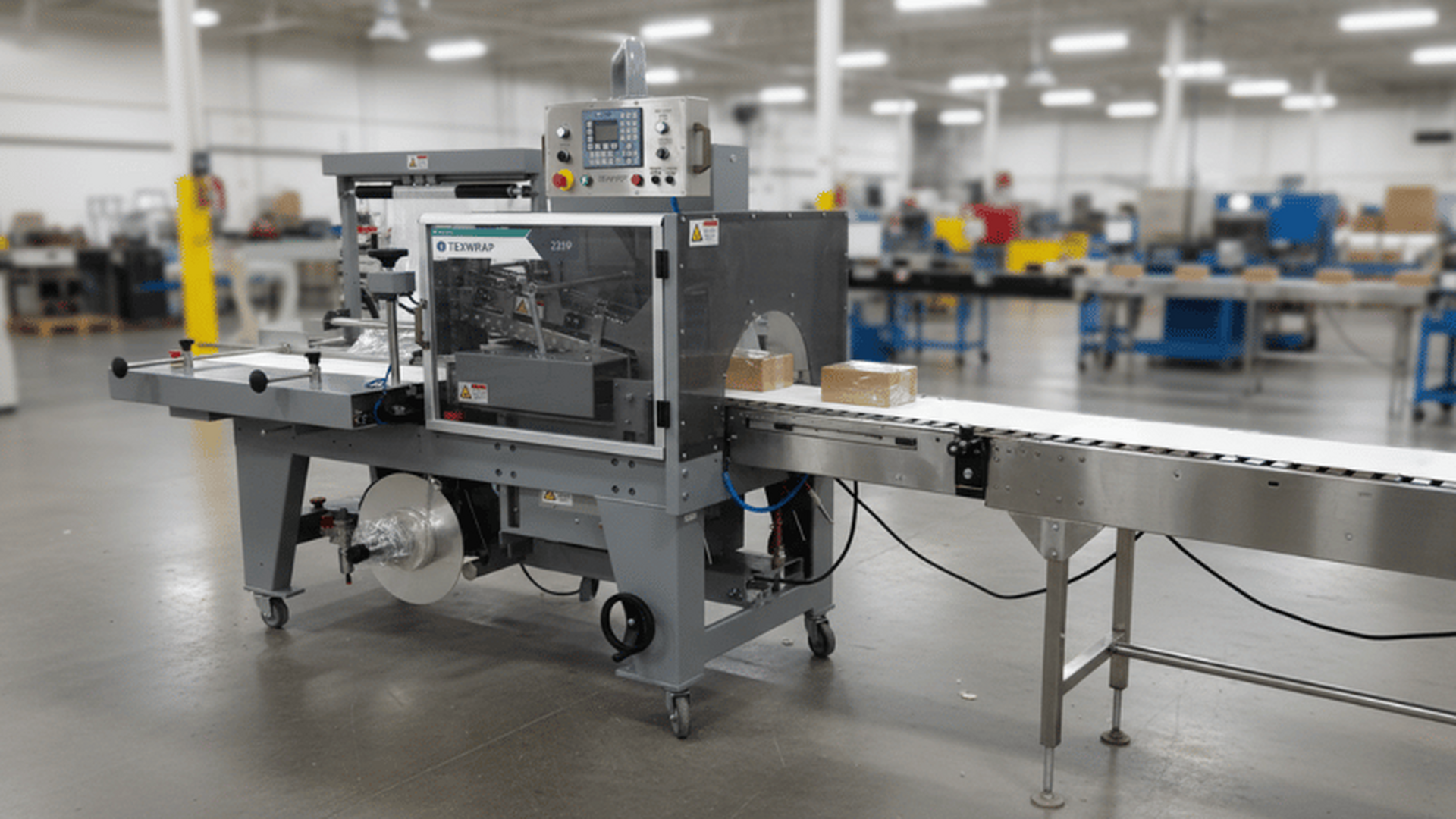
When automation represents the best path forward, Group O can help develop a solution that considers equipment, materials, production requirements and long-term operational goals together.
Lasting improvement requires more than making a one-time change. Packaging standards must be documented, communicated and maintained.
Group O helps establish measurable standards for material usage, equipment settings and application performance. These standards give operators and maintenance teams a consistent process to follow while creating a baseline for continued improvement.
Our support may include:
- Packaging application reviews
- Standard operating recommendations
- Material and supplier consolidation
- Usage and cost reporting
- Operator and maintenance training
- Testing of alternative packaging configurations
- Periodic performance reviews
- Continuous improvement planning
SMART Audit®: Stretch-Wrapping Optimization
The SMART Audit® is Group O’s structured process for evaluating and improving stretch-film applications, stretch-wrapping equipment and load-containment performance. Instead of evaluating stretch film only by price per roll or price per pound, we examine the total cost and performance of wrapping each load. The process considers the stretch film, equipment, machine settings, load characteristics, containment requirements, operator procedures and shipping environment together. This helps identify the right combination of material, equipment settings and application methods for the operation. A SMART Audit® may evaluate:
- Current stretch-film type, formulation and gauge
- Film used per pallet or load
- Cost per wrapped load
- Load dimensions, weight and stability
- Pallet configuration
- Force-to-load at the top, middle and bottom
- Wrap pattern and total wrap count
- Film overlap and pallet capture
- Wrapper settings and operating performance
- Pre-stretch levels and gear ratios
- Rollers, components and general equipment condition
- Product-damage or load-failure concerns
- Operator procedures
- Equipment maintenance requirements
- Opportunities to improve materials, equipment or processes
Force-to-load measurements help evaluate the containment applied at the top, middle and bottom of a pallet. Film formulation, film gauge, wrap count, equipment pre-stretch, overlap, overwrap and environmental conditions can all affect those measurements.
The Business Impact of Packaging Optimization
 Lower Total Packaging Costs
Evaluate materials based on total usage and cost per packaged or shipped load rather than the price of an individual roll, pound or component.
 Reduced Material Consumption
Identify opportunities to optimize material specifications, improve application patterns, reduce excess wrap and eliminate unnecessary packaging components without sacrificing performance.
 Improved Load Stability & Product Protection
Reduce shifting loads, shipment failures and product damage through better containment, packaging design and application standards.
 Greater Equipment Performance
Optimize machine settings, address maintenance issues and improve equipment reliability to support consistent operations and material efficiency.
 Automation & Process Improvements
Identify opportunities to streamline workflows, reduce labor requirements and implement automation where it provides measurable operational value.
 Sustainability & Continuous Improvement
Support sustainability goals through material reduction, waste prevention, performance monitoring and ongoing optimization efforts.
When Optimization Leads to Automation
Not every packaging challenge can be solved by changing a material or adjusting a machine setting.
Production growth, labor constraints, inconsistent application, recurring downtime, aging equipment or safety concerns may indicate that equipment upgrades or automation should be considered.
Group O can evaluate opportunities to:
- Replace repetitive manual packaging tasks
- Improve material-application consistency
- Increase throughput
- Reduce unnecessary material consumption
- Improve operator safety and ergonomics
- Upgrade aging packaging equipment
- Connect multiple packaging functions
- Integrate equipment into an existing production environment
- Develop a more complete automated packaging system
Our team considers the packaging material and equipment together so that the recommended material can perform effectively within the automated process.
From an individual piece of equipment to a fully integrated packaging line, we focus on developing a practical solution based on the requirements of the application.
Frequently Asked Questions About Packaging Optimization
Packaging optimization is the process of evaluating packaging materials, equipment, application methods and operating requirements to improve performance, control costs and reduce unnecessary material usage.
It may involve changes to materials, equipment settings, maintenance practices, operating procedures, package design or automation. It is the process of continuous improvement for end-of-line packaging, automation, and processes.
No. Stretch film is an important part of many load-containment programs, but packaging optimization may also include tape, shrink film, corrugated packaging, cornerboard, strapping, void fill, slip sheets, pallets and other packaging materials.
Packaging equipment, automation and application processes may also be evaluated.
A SMART Audit® is Group O’s structured process for evaluating stretch-film usage, stretch-wrapping equipment, load containment and application performance.
The process helps identify opportunities to improve material efficiency, equipment performance and the total cost of wrapping each load.
Stretch film should be evaluated based on total usage, cost per wrapped load and the resulting load performance.
Price per roll or price per pound does not account for differences in film usage, roll length, application settings, equipment performance or load containment.
No. Film gauge is only one consideration.
The recommended film must provide the containment, puncture resistance and application performance required by the load. In some situations, a different formulation, gauge or application method may provide better overall performance.
Yes. The evaluation may identify settings, gears, rollers, components or maintenance concerns that affect packaging performance.
Recommendations may include adjustments, preventive maintenance, replacement parts, repairs or equipment upgrades.
For packaging equipment parts and service email parts.service@groupo.com.
Yes. When adjustments or repairs will not fully address the operational need new equipment or automation may be recommended. Group O can evaluate semi-automatic equipment, automatic equipment or a more integrated packaging system.


