
From Disposable to Durable: How Reusable Airbags Reduce EPR and Cost


Tags: Packaging
How Airbag Reuse Turns Tertiary Packaging Into a Strategic Advantage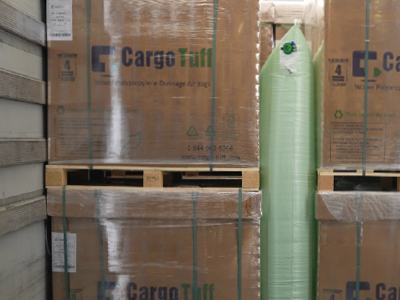
This article is part of Group O’s EPR & Tertiary Packaging series, exploring how data-driven packaging optimization reduces cost, material use, and regulatory risk.This is the last article in the series that also covers 30% PCR Stretch Film, Cornerboard, rPet and Kraft Tape. We're going to explore the airbags/dunnage in this article.
A Strong Finish: Why Reuse Is the Highest Form of EPR Compliance
In our EPR overview, we demonstrated how fee structures reward measurable efficiency—less weight, less virgin material, and less waste. Across all tertiary packaging categories, one principle consistently rises above the rest:
The most sustainable packaging is the packaging you don’t have to replace.
Reusable airbags embody this principle more directly than nearly any single-use tertiary material. Instead of shifting from one substrate to another, reuse eliminates significant material throughput altogether—making it one of the clearest pathways to EPR-aligned cost reduction and compliance.
Why Reusable Airbags Work
Reusable airbag programs are built for operational realities, not theoretical sustainability goals. When designed and implemented properly, they provide:
• Multi‑trip durability across plants, DCs, and outbound networks
• Consistent performance through standardization and repeatable inflation protocols
• Improved load securement, reducing product damage and returns
• 100% recyclability at end‑of‑life, supporting circularity
Unlike many packaging changes, reusable airbags do not require re‑engineering pallet patterns or material flows, which keeps adoption friction low. The transition is procedural—not structural.
The Measurable Impact: Financial + Environmental Wins
In a case study examning one example of a large large network already running a reuse programs, the results speak for themselves:
• Annual spend reduced from $3.12M to $2.19M
• Over $923,000 annual savings
• Significant reduction in total airbags purchased and disposed of
• Meaningful drop in packaging waste across the supply chain
When multiplied across thousands—or tens of thousands—of loads, reuse quickly transforms airbags from a consumable to a strategic sustainability asset. To read the full airbag case study, click here.
Why Reuse Wins Under EPR
Extended Producer Responsibility frameworks consistently reward:
• Lower material throughput
• Fewer single‑use components
• Documented, proven waste reduction
Reusable airbags deliver all three in a single initiative. Under eco‑modulation fee structures, their value compounds: fewer units reported, less virgin plastic, and a cleaner end‑of‑life profile.
Most importantly, reuse aligns perfectly with where EPR policy is moving—away from incremental material tweaks and toward systems that eliminate unnecessary packaging altogether.
Closing the Loop: What This Series Reveals About EPR‑Ready Tertiary Packaging
Across this series, we evaluated four key tertiary packaging categories—all of which offer different pathways through tertiary packaging to lowering EPR exposure without compromising performance.
1. 30% PCR Stretch Film – Optimizing, Not Eliminating
We showed how 30% PCR stretch film maintains or improves load containment while reducing virgin plastic and supporting EPR-compliant reporting. Optimization—not removal—is often the most responsible strategy. [groupo.com]
2. Cornerboard Optimization – Strength Through Less Material
Small specification changes delivered massive gains: downgauging, reduced fiber weight, and improved stacking strength, all contributing to lower EPR fees and network‑wide material reductions. [groupo.com]
3. Tape Under EPR – Smarter Sealing With rPET and Kraft
Shifting from traditional BOPP to rPET or kraft tape improves recyclability, reduces plastic, and simplifies reporting—another example of category-level redesign supporting EPR outcomes. [groupo.com]
4. Reusable Airbags – The Impact of True Reuse
This final article demonstrates how reuse outperforms substitution by removing entire material categories from the waste stream.
The Final Takeaway: EPR Readiness Starts With Measurement
After evaluating every major tertiary packaging category, the conclusion is clear:
EPR doesn’t reward guesswork. It rewards proof.
Organizations that quantify material use, track reduction opportunities, and validate performance will:
• Lower their future EPR fees
• Improve sustainability reporting
• Reduce operational spend
• Strengthen load integrity
• Stay ahead of regulatory shifts
EPR can be more than just a compliance challenge, it can be a competitive advantage for companies that measure early and optimize intelligently. To learn more, reach out to our packaging team today.