
Cornerboard Optimization for Pallet Protection and EPR Compliance


Tags: Packaging
This article is part of Group O’s EPR and tertiary packaging series, which focuses on how data driven packaging optimization can reduce cost, material use, and regulatory risk. In the first article, Group O explained that EPR frameworks reward reduced material use and recycled content across tertiary packaging.
Cornerboard optimization is the process of improving cornerboard specifications to reduce excess material while maintaining load protection, stacking strength, and pallet performance. Because cornerboard is used on nearly every pallet, even small specification changes can create measurable impact across a distribution network.
What is Cornerboard Used For
Cornerboard helps protect pallet edges, support stacking strength, and reduce product damage in transit. It plays an important role in pallet protection and load stability, which makes it a practical place to look for material reduction and packaging improvement opportunities.
Why Cornerboard Matters More Than It Seems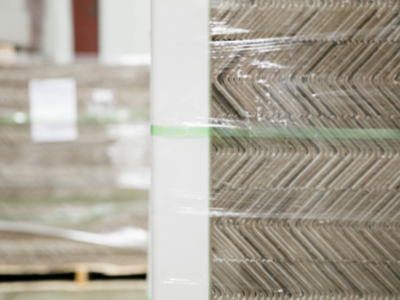
Cornerboard protects pallet edges, supports stacking strength, and reduces product damage. Because it’s used on nearly every pallet, small specification changes can create large system-wide impacts.
Modern cornerboard solutions are designed to do more with less:
• Made from 100% recycled paper
• Fully recyclable at end of life
• Engineered adhesives allow ~20% downgauging
• Equal or greater strength versus heavier profiles
• Less paper used means less material reported—and lower EPR exposure.
Optimization in Action
In one national operation, a cornerboard optimization initiative delivered measurable results:
• Thickness reduced from .200 to .180
• Over 513,000 pounds of paper eliminated annually
• $250,000 in direct savings on like-for-like products
• $112,000 in additional savings from downgauging
• Improved stacking strength enabled double-stacked pallets
The result wasn’t just material reduction, it was improved logistics efficiency and lower transportation costs. Read the full cornerboard case study here!
Why Cornerboard Performs Well Under EPR
EPR fee structures favor:
• High recycled content
• Reduced material weight
• Verified performance improvements
Cornerboard checks all three boxes when optimized correctly, making it one of the simplest ways to reduce cost and compliance risk without disrupting operations.
Frequently asked questions
Q. What is cornerboard optimization
A. Cornerboard optimization means improving the design or specification of cornerboard to use less material while maintaining protection, stacking strength, and load stability.
Q. Why does cornerboard matter for EPR compliance
A. Cornerboard is used on nearly every pallet, so small material changes can significantly reduce overall packaging use and EPR exposure.
Q. Can cornerboard be recycled
A. Modern cornerboard solutions are made from recycled paper and are fully recyclable at end of life.
Q. How does cornerboard optimization improve pallet performance
A. Optimized cornerboard can maintain or improve stacking strength, reduce product damage, and support more efficient pallet configurations.
Cornerboard Can Make a Difference
Cornerboard may not get attention in sustainability discussions, but it delivers measurable results when optimized. For companies evaluating packaging through an EPR lens, it is one of the most practical opportunities to reduce material, improve recyclability, and strengthen performance at scale.
Continue the EPR Series
Cornerboard is just one lever companies can pull to reduce EPR exposure. Explore and stay tuned for the other articles in this series:
• 30% PCR Stretch Film – Optimizing film instead of eliminating it
• Coming Soon: Tape Under EPR – Improving recyclability with rPET and kraft options
• Coming Soon: Reusable Airbags & Dunnage – Reducing waste through reuse
Together, these strategies show how incremental changes create exponential impact at scale. To learn more or to get help, reach out to our packaging team for EPR support.